
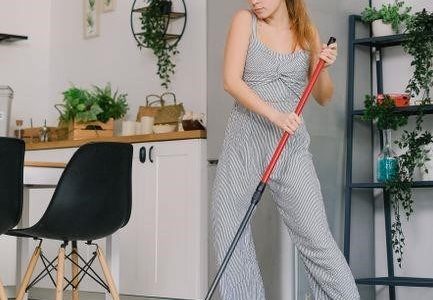
Vax steam mops combine powerful steam with a lightweight design, making UK floor cleaning effortless. They heat water to 120‑140°C, releasing a fine mist that loosens grime on tiles, vinyl, hardwood, and even carpets. The adjustable head and quick‑dry pads keep surfaces safe and spotless. for all seasons. Enjoy!
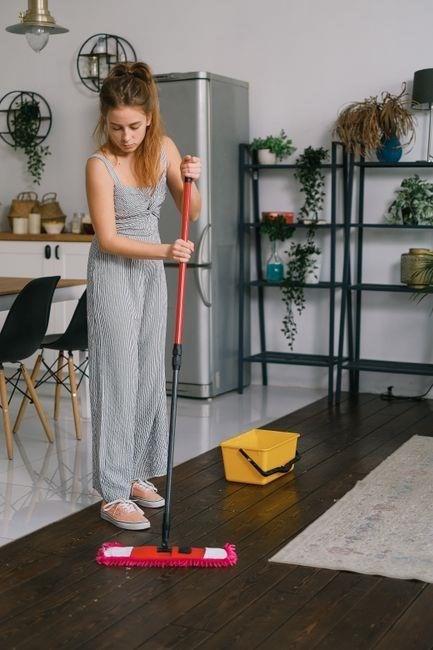
What is a Vax Steam Mop?
Vax steam mops are compact, battery‑powered devices that generate high‑temperature steam to dislodge dirt and kill germs on a wide range of floor surfaces. They feature a water reservoir for tap water or a diluted cleaning solution, a quick‑heat element that reaches 120‑140 °C in under a minute, and a detachable head that swaps for different pad types. The system’s pressure‑regulated nozzle delivers a steady mist, allowing users to glide the mop across tiles, laminate, hardwood, and low‑pile carpets without residue. Many models include an adjustable temperature dial, a built‑in timer, and a safety lock that prevents operation when the device is still hot. The lightweight frame (often under 2 kg) and ergonomic handle make it suitable for spot cleaning and full‑room mopping, while quick‑dry pads reduce drying time to a few minutes. Vax’s design philosophy emphasizes ease of use, portability, and eco‑friendly cleaning, as the steam itself is a natural disinfectant that eliminates the need for harsh chemicals.
- High‑temperature steam (120‑140 °C) for effective grime removal.
- Adjustable temperature and timer settings for customised cleaning.
- Detachable head and interchangeable pads for different floor types.
- Safety lock and heat‑sensing technology to prevent accidental burns.
- Lightweight (<2 kg) and ergonomic design for easy manoeuvring.
- Eco‑friendly operation – no chemicals, just water and heat.
When powered on, the heating element instantly turns water into steam, which is then directed through the nozzle. The steam penetrates cracks and grout lines, loosening embedded dirt, while the pad’s texture scrubs the surface gently. After each pass, the pad can be rinsed or replaced, ensuring consistent performance. Users can also add a splash of vinegar to the reservoir for extra disinfecting power, especially on tile or stone. It works.
Choosing the Right Vax Model for UK Floors
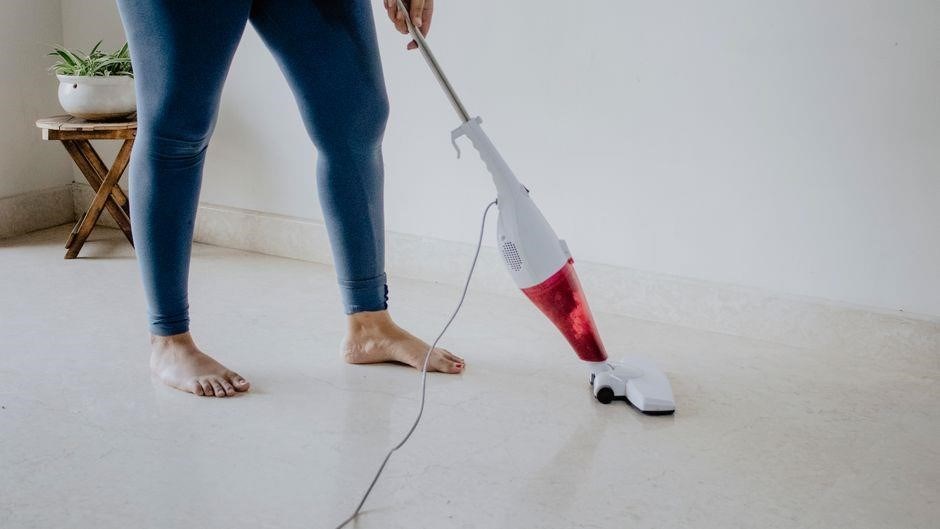
UK homes vary: tile, hardwood, laminate, or carpet. The Vax 2‑in‑1 offers a detachable pad for hardwood and a heavy‑duty pad for tile. For carpets, the Vax 3‑in‑1 includes a soft brush. Match pad type to floor, and consider the power rating for larger areas. UK!!.
Factors to Consider: Tile, Vinyl, Hardwood, and Carpet

Choosing the right Vax model for your UK home hinges on the floor type and the level of cleaning required. For tile and stone, a high‑temperature setting (120‑140 °C) is ideal; the steam penetrates grout and lifts stubborn stains, while a vinegar spray neutralises mineral deposits. Vinyl floors tolerate lower heat (90‑110 °C) to avoid warping; a gentle steam cycle combined with a mild detergent keeps the surface shiny without stripping the backing. Hardwood demands the most caution: use the lowest steam output and a microfiber pad to prevent moisture damage; a quick‑dry cycle is essential after each pass. Carpets, especially low‑pile or delicate fibres, should only receive a light mist; the Vax’s “soft‑steam” mode is designed to lift dust without saturating the fibres, preserving the carpet’s integrity and preventing mould growth. Always test a small hidden area before full‑scale cleaning to ensure the floor’s tolerance to steam and the chosen cleaning solution. The Vax’s adjustable head allows you to reach corners and edges where dust accumulates, making it a versatile tool for multi‑surface homes. For high‑traffic areas, consider a model with a larger water tank to reduce refilling interruptions. When selecting a pad, match the material to the floor: silicone pads for tile, microfiber for hardwood, and a soft‑bristle pad for carpets. Finally, keep in mind that UK plumbing water hardness can affect steam quality; using a water softener or distilled water can improve performance and reduce mineral buildup on the mop’s components. Additionally, always read the manufacturer’s guidelines for maximum water temperature and pad replacement intervals to extend the lifespan of your Vax and maintain optimal cleaning efficiency.

Preparing the Vax Steam Mop for Use
Before turning on, fill the 1.5‑litre reservoir with tap water. Add 2–3 tbsp of white vinegar or a mild cleaning solution for extra disinfection. Let the mop sit for 5 minutes to reach optimal temperature, then attach the cleaning pad and power on. Test a small area first. Ensure the pad is clean and dry before use. Enjoy.
Filling the Water Reservoir and Adding Vinegar or Cleaning Solution
Before you start, ensure the Vax steam mop is unplugged and cooled. Open the water tank lid, which is located on the back of the unit. Use a clean, cold tap water to fill the reservoir to the maximum line marked inside the tank. Avoid overfilling, as the mop’s safety valve will release excess water. Once the tank is full, close the lid securely to prevent leaks during operation. For a deeper clean, especially on tile or stone, add a small amount of white vinegar—about a tablespoon per litre of water—to the reservoir. This natural acid helps cut through mineral deposits and leaves a streak‑free shine. If you prefer a commercial cleaner, choose a floor‑safe solution that is compatible with Vax’s stainless‑steel components; dilute it according to the manufacturer’s instructions, typically a 1:10 ratio of cleaner to water. Never mix bleach or harsh chemicals, as they can damage the mop’s pads and the floor finish. After adding your chosen liquid, give the tank a gentle shake to mix the contents thoroughly. Let the mop sit for a minute; this allows the water and vinegar or cleaner to equilibrate, ensuring optimal steam production. Finally, check that the reservoir is sealed, plug the unit into a UK mains outlet, and wait for the indicator light to signal that the water has reached the correct temperature before turning it on. This preparation step guarantees efficient steam output and protects your floors from excess moisture or chemical residue. For long‑term performance, keep the reservoir clean by rinsing it with fresh water after each use and drying it with a lint‑free cloth. If you notice any mineral buildup, run a cycle with a vinegar rinse to dissolve limescale. Always store the mop in a dry area, with the tank lid open to allow air circulation and prevent mold growth. Remember to always read the user manual for any model‑specific warnings, as some Vax mops feature a built‑in water‑temperature sensor that may require a different filling procedure. If you use a vinegar solution, keep the ratio low to avoid damaging the pad material over time; a 5% solution is usually sufficient for most household grime. After each cleaning session, empty the reservoir completely, rinse it with plain water, and wipe it dry to prevent bacterial growth. By following these steps, you’ll maintain a clean, safe, and effective steam mop that delivers sparkling results on every floor type you encounter in the UK.

Operating the Vax Steam Mop
Turn the power on, then choose the desired heat setting: low for delicate surfaces, high for stubborn stains. Adjust the steam output slider to control mist intensity. Hold the mop head at a 45° angle, glide in straight lines, and pause for steam to penetrate. Turn off when finished. Keep mop balanced, no stops.
Temperature Settings and Steam Output Levels
Vax steam mops offer a range of temperature settings to match the floor type and cleaning intensity you need. The standard model features a low‑heat mode at around 90 °C for delicate surfaces such as laminate or lightly stained hardwood, a medium‑heat setting at 110 °C for everyday tile and vinyl, and a high‑heat mode that reaches 120 °C for stubborn grime on stone or heavily soiled floors. Each mode is activated by a simple dial or button, and the unit automatically adjusts the steam pressure to maintain consistent output. The steam output itself is measured in millilitres per minute, with the low setting delivering roughly 20 ml min⁻¹, the medium around 35 ml min⁻¹, and the high up to 50 ml min⁻¹. This graduated steam flow allows you to fine‑tune the cleaning power: a gentle mist for quick touch‑ups, a steady stream for cleaning, or a burst of high‑pressure steam for tackling grease and mould. For safety, the Vax includes an automatic shut‑off that triggers if the water level drops below the minimum threshold, preventing overheating. Users in the UK,OK should also be mindful of the local mains voltage (230 V) and ensure the unit is connected to a grounded outlet. By selecting the appropriate temperature and steam output, you can maximise cleaning efficiency while protecting your flooring and extending the life of the mop’s pads.
When switching between modes, the Vax displays a small LED indicator that flashes green for low, amber for medium, and red for high. The transition between settings is seamless, with a brief pause of about two seconds to allow the water temperature to stabilise. This ensures that the steam output remains steady and prevents sudden bursts that could damage sensitive flooring. For users who prefer a more manual approach, the Vax also offers a “boost” function that temporarily increases steam pressure by 10 % for up to 30 seconds, ideal for tackling stubborn stains or for a quick pass over high‑traffic areas. The boost can be activated by pressing the dedicated button, after which the unit returns to the previously selected mode. Additionally, the Vax’s smart thermostat monitors the water level and temperature, providing audible alerts when maintenance is required. This feature is particularly useful in the UK, where damp conditions can affect the performance of steam mops if the water is not refreshed regularly. By mastering these temperature settings and steam output levels, UK users can achieve a deep, hygienic clean while preserving the integrity of their floors.
Cleaning Techniques for Different Floor Types
For tiles and stone, set the mop to high steam and spray a vinegar solution before wiping. On vinyl, use medium steam and a gentle pad to avoid scratches. Hardwood requires low heat and a microfiber pad; never let steam sit. Carpets benefit from a low‑pressure, dry‑brush mode. Use a microfiber cloth for shine now.
Tile and Stone: High-Temperature Steam and Vinegar Spray
For tile and stone, the Vax steam mop’s high‑temperature mode (120–140 °C) is the best choice. Fill the reservoir with tap water and add a tablespoon of white vinegar per litre to boost cleaning power and neutralise mineral deposits. Heat the mop until the steam indicator turns green. Attach the flat, non‑abrasive pad and, if your model has a spray function, press the spray button to mist a thin layer of vinegar over the area. Move the mop in a slow, overlapping pattern, allowing the steam to penetrate grout lines and dissolve grime. For stubborn stains, pause and let the steam sit for 30 seconds before wiping with a clean microfiber cloth. After the surface dries, run the mop again on a lower steam setting to remove any residue and leave a protective film that resists future dirt. Always test a small corner first to ensure the stone finish is not affected by the heat or vinegar.
For deep grout cleaning, after the initial steam pass, use a narrow brush or a dedicated grout cleaning pad to scrub gently. The residual steam softens the grout, allowing the brush to lift embedded dirt without scratching the tiles. Once finished, rinse the area with a damp cloth to remove any vinegar residue. Finally, dry the floor with a microfiber towel to prevent water spots and maintain a polished look. By following these steps, you can keep your tile and stone floors sparkling clean while preserving their natural sheen for years to come. This routine also helps reduce the need for chemical cleaners, saving both money and the environment. Enjoy!
Maintaining the Vax Steam Mop
After each use, empty the reservoir, rinse with cool water, wipe the steam head. Let the mop dry completely before storing. Periodically clean the pad with mild soap, replace when worn, and run a maintenance cycle with vinegar to remove mineral buildup.
Check pad cracks; replace every 3 months for results.!
Regular Cleaning of the Water Tank, Pad, and Steam Heads

Keeping a Vax steam mop in top shape starts with a routine cleaning schedule. First, always unplug the unit and let it cool completely before opening the water tank. Remove any remaining water, then rinse the tank with fresh tap water to eliminate mineral buildup. For deeper cleaning, fill the tank with a 1:10 vinegar‑to‑water solution, run the mop for a few minutes, and then empty and rinse thoroughly. This simple step prevents lime scale and keeps the steam output consistent.
Next, focus on the cleaning pad. After each use, wipe the pad with a damp cloth to remove dust and debris. If the pad is heavily soiled, soak it in warm soapy water for 10–15 minutes, then rinse and squeeze out excess moisture. Avoid using harsh detergents or bleach, as they can damage the pad’s fibers. Replace the pad every 3–4 months or sooner if it shows signs of wear, such as fraying or a loss of elasticity.
The steam heads are the most critical contact points with your floors. To clean them, detach the heads and rinse under running water. For stubborn grime, soak the heads in a mild soap solution for 5 minutes, then scrub gently with a soft brush. Dry the heads completely before reattaching to prevent mold growth. Regular cleaning of these components not only extends the life of your Vax mop but also ensures a hygienic, streak‑free finish on every floor type.
Finally, store the mop in a dry, well‑ventilated area. Before re‑assembling, check the rubber seals on the steam heads for cracks or tears; replace them if necessary to maintain a tight seal and optimal steam delivery. Periodically inspect the cord and plug for fraying or exposed wires, and replace any damaged parts immediately. By following this comprehensive maintenance routine, you’ll keep your Vax steam mop operating at peak performance for years, delivering spotless floors with minimal effort. Additionally, consider running a short steam cycle with a diluted bleach solution once a month in high‑traffic areas to kill bacteria and remove stubborn stains, but only after confirming the floor material tolerates bleach. Keep a small bucket of distilled water on hand for refilling, as it reduces mineral deposits and extends the lifespan of the internal heating element.
Safety Tips for UK Users
Always unplug the mop before refilling water, and keep it away from children. Use only UK‑rated plugs to prevent electrical faults. Avoid high‑heat settings on laminate or oak; test a small area first. Never leave the mop unattended on wet surfaces to prevent slips. Keep dry. Now
Electrical Safety, Heat Protection, and Avoiding Damage to Floors
Before you start, ensure the power cord is in good condition, free from frays or exposed wires. Plug the unit into a grounded outlet and avoid using extension cords, as they can introduce voltage spikes that may damage the internal circuitry. Keep the mop away from water sources and do not let the cord touch the floor or become tangled, which could create a tripping hazard or cause the device to short‑circuit. The Vax steam mop’s heating element reaches temperatures up to 140 °C; to protect your floors, never allow the head to rest on unsealed or unfinished surfaces. For hardwood, use the low‑heat setting and a dampened pad to prevent scorch marks. On tile or stone, the high‑heat mode is safe, but keep the head moving to avoid prolonged contact that could dull grout lines. Always check the manufacturer’s recommended maximum temperature for your floor type before use. After each session, unplug the mop and let it cool completely—do not touch the heated head or steam outlet. Store the device in a dry, well‑ventilated area, and keep it out of reach of children and pets. If you notice any unusual smells, sparks, or excessive vibration, discontinue use immediately and contact Vax support. Regular maintenance—cleaning the water tank, inspecting the cord, and replacing pads when worn—ensures both electrical safety and optimal performance. By following these precautions, you can enjoy a sparkling floor without compromising the longevity of your flooring or the safety of your household.
When operating in damp environments, such as bathrooms or kitchens, use a floor mat to absorb excess moisture and reduce slip risk. The Vax steam mop’s built‑in safety switch will cut power if the device is tilted beyond a safe angle, preventing accidental spills. Always keep a hand on the handle during operation to maintain balance. For users with electrical sensitivities, consider using a surge protector to shield the unit from power fluctuations. Finally, read the user manual’s safety section before first use, as it contains specific warnings for your model. Adhering to these guidelines protects both your floors and your family.
Remember: a well‑maintained steam mop not only cleans but also reduces allergens, making your home healthier.