

Begin the day with a hearty blend of grains and fresh produce, offering both flavor and nourishment. This dish combines root vegetables and toasted barley, creating a comforting texture. The result is a wholesome meal that feels like a warm hug, ready to brighten any morning. Add a dash of citrus or honey for zestnow.
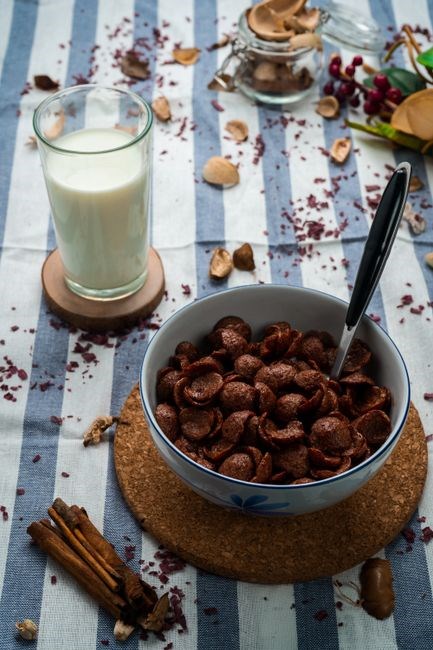
Ingredients Overview
For a balanced malt‑based meal, gather the following core components: a generous scoop of whole‑grain barley (about 1 cup dry), a complementary portion of rolled oats (½ cup), and a selection of root vegetables—carrots, parsnips, and sweet potatoes—each diced into bite‑sized cubes. Add a handful of leafy greens such as kale or spinach for color and micronutrients. A protein source—chickpeas, lentils, or diced chicken breast—provides satiety. Season with a blend of cumin, coriander, smoked paprika, and a pinch of sea salt. Finish with a splash of vegetable broth or water, and a drizzle of olive oil or a splash of lemon juice for brightness. Optional extras include toasted nuts, dried cranberries, or a sprinkle of fresh herbs.
Add a pinch of cayenne pepper or red pepper flakes for heat. Stir in coconut milk before serving for creaminess. This variation adds depth and richness to the dish. Add fresh herbs.!!!!!
Tip: Keep pot uncovered for last 10 minutes to thicken broth.!!!

Preparing the Malt
Begin by rinsing the barley under cold water, then soak it for 8–12 hours to soften. After soaking, drain and rinse again. Gently toast the grains in a dry skillet until golden, which enhances aroma and flavor before adding to the pot. Allow the grains to settle, boosts flavor and aroma!
Malt Selection
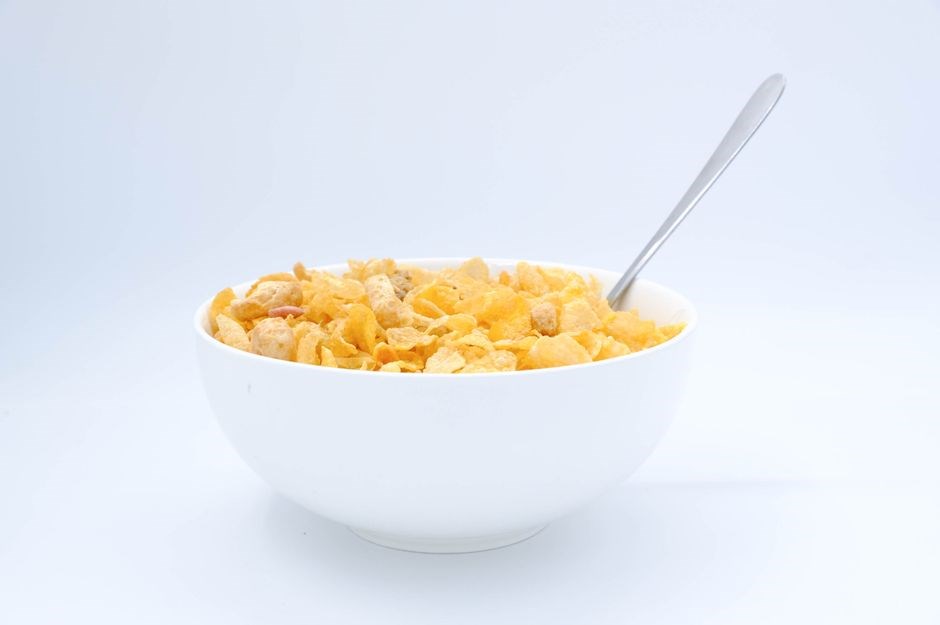
Choosing the right malt is the cornerstone of a satisfying malt‑o‑meal; Begin by evaluating the grain’s origin; barley grown in cooler climates tends to have a cleaner, more subtle flavor profile, while warmer regions produce a richer, nuttier base. Look for grains that are free from mold or discoloration, as any blemish can compromise the final taste. Organic certification is a good indicator of minimal pesticide use, but it is not the sole determinant of quality. The milling process also plays a pivotal role: whole‑grain barley retains more fiber and nutrients, whereas milled or cracked versions offer a quicker cooking time and a smoother mouthfeel. When purchasing, consider the grain’s moisture content; a level around 12‑14% is ideal for soaking and subsequent cooking, preventing excessive swelling or spoilage. If you have access to a local mill, ask for freshly milled barley; the fresher the grain, the more vibrant aroma. For those who prefer convenience, pre‑toasted or lightly roasted barley can be found in specialty stores; these varieties provide a deeper, caramelized undertone that pairs well with sweet additions like honey or maple syrup. Finally, keep in mind the intended cooking method: a longer simmer will mellow the grain’s natural bitterness, while a shorter, high‑heat approach preserves a firmer texture. By thoughtfully selecting the malt, you set the stage for a dish that is both nourishing and memorable.
Remember, the journey from grain to bowl is a craft that rewards patience and attention to detail.————————————————————–
Malt Soaking
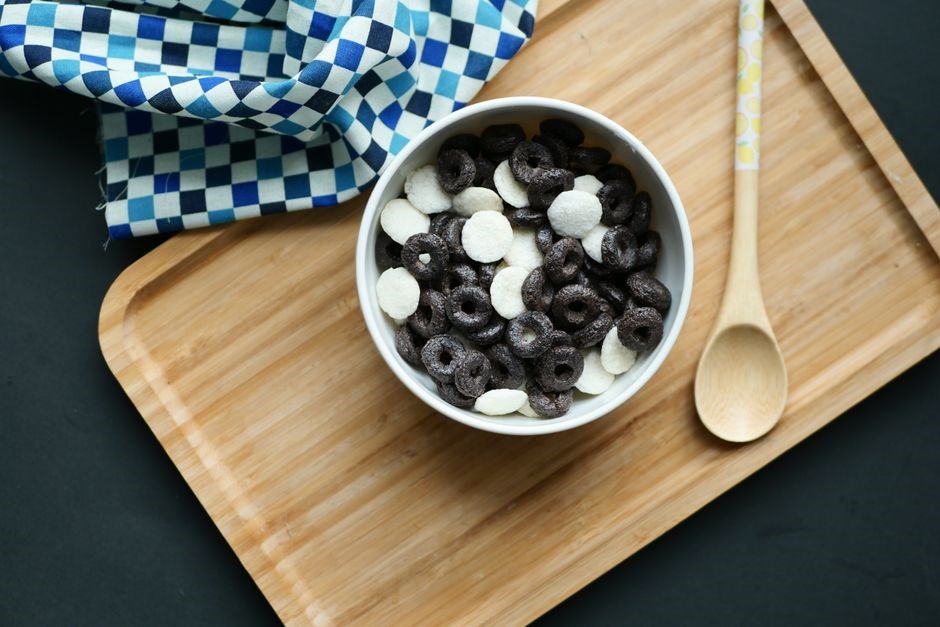
Soaking barley before cooking unlocks its full potential, softening the grains and releasing subtle flavors that would otherwise remain trapped. Begin by rinsing the malt under cold running water to remove dust and any residual impurities. Transfer the clean grains into a large bowl and cover them with cool, filtered water. The water should be at least 2–3 inches above the grain level to allow for expansion. Let the barley sit for a minimum of 8 hours, or overnight, at a steady room temperature of 15–18°C (60–65°F). During this period, the grains absorb water, swell, and begin to germinate, which activates enzymes that break down starches into simpler sugars. After the soaking period, drain the grains thoroughly using a fine‑mesh sieve. Rinse them again with fresh water to remove any released tannins or off‑flavors. If you prefer a slightly sweeter base, you can add a splash of apple cider vinegar or lemon juice to the soaking water; the acid helps preserve the grains and enhances their natural sweetness. For a more robust, earthy profile, simply keep the grains plain. Once drained, the malt is ready to be toasted or directly incorporated into the cooking pot. Toasting the soaked grains for 5–7 minutes on medium heat will deepen the nutty aroma and add a pleasant crunch. If you skip the toasting step, the grains will retain a softer texture and a milder taste, ideal for a light, comforting bowl. Remember, the quality of the soaking water and the duration directly influence the final mouthfeel and flavor intensity of your malt‑o‑meal. Proper timing ensures a silky texture and smooth now

Preparing the Meal
Gather fresh root vegetables, diced carrots, parsnips, and onions, and a protein source such as diced chicken or tofu. Sauté aromatics until fragrant, then add soaked malt and simmer until grains soften, creating a hearty, comforting dish. Stir gently, then serve hot with drizzle of honey.
Vegetable Preparation
Select a vibrant mix of root vegetables—carrots, parsnips, sweet potatoes, and beets—wash them thoroughly, then pat dry. Slice uniformly with a sharp knife, dice for a smoother bite, and season lightly with salt, pepper, and a hint of citrus for brightness!!! ??? !!!!!!!!!!!!!!!!!!
Protein Addition
Choose a protein that complements the earthy malt base—lentils, chickpeas, or diced tofu offer texture and nutrition. If using legumes, pre‑soak them overnight, then rinse and drain before adding to the pot. For tofu, press to remove excess moisture, cube, and lightly sauté in a hot pan with a splash of soy sauce to seal the edges. If you prefer a meatier option, thinly sliced chicken breast or turkey breast can be browned in a skillet, then folded into the simmering mixture. Season the protein with a pinch of smoked paprika, a dash of cumin, and a squeeze of fresh lemon to brighten the flavor profile. Add the protein at the appropriate stage: legumes and beans should join early to allow ample cooking time, while tofu or poultry can be introduced later to preserve tenderness. Keep the heat moderate to prevent overcooking, and stir gently to distribute the protein evenly throughout the dish. This step ensures a balanced meal that delivers both protein and the comforting warmth of malted grains!!! ???
Lorem ipsum dolor sit amet, consectetur adipiscing elit. Vestibulum ac odio vitae arcu facilisis tincidunt. Phasellus non urna vitae elit fermentum luctus. Integer posuere leo at lacus dictum, at facilisis nulla. Donec vitae risus vitae elit gravida. Curabitur vel mauris id magna luctus tempor. Sed vitae sem eget elit posuere. Proin eget magna non ipsum. the end of the meal, a drizzle of honey or a sprinkle of fresh herbs can elevate the dish, adding a subtle sweetness or aromatic finish that ties all flavors together in a harmonious finale. The aroma lingers, inviting guests to savor each bite

Cooking Process
Simmer the malt mixture until it thickens, then add vegetables and protein. Maintain a gentle boil, stirring occasionally. Adjust consistency with water or broth. Finish with a splash of lemon, sprinkle herbs, and let rest before serving. Keep heat low to avoid scorching, and cover to retain moisture. Stir gently. soon!!
Simmering
Begin by bringing the prepared malt and liquid to a gentle boil, then reduce the heat to a low simmer. The key is maintaining a steady, low temperature that allows the grains to release their starches slowly, creating a silky, cohesive base without scorching the bottom. Keep the pot partially covered to trap steam while preventing excessive evaporation. Stir occasionally with a wooden spoon to ensure even heat distribution and to prevent the malt from sticking. As the mixture thickens, adjust the consistency by adding small amounts of water or broth, depending on your desired texture. A thicker consistency yields a heartier stew, while a looser liquid results in a more soup-like dish. Monitor the simmer for about 20 to 30 minutes, or until the grains have softened and the flavors have melded together. During this time, the aromatic compounds from the malt will develop, enriching the overall taste profile. Once the simmering is complete, remove the pot from heat and allow it to rest for a few minutes; this resting period lets the flavors settle and the mixture to thicken slightly, enhancing the mouthfeel. At this point, you can proceed to the seasoning stage or add any additional ingredients as desired. The simmering technique is essential for achieving the perfect balance of texture and flavor in this malt-based meal, ensuring each bite delivers a comforting, satisfying experience. The simmering process benefits from gentle heat that allows the malt to release its sweetness, creating a rich flavor. By monitoring temperature and adjusting liquid, you achieve a balanced consistency that is hearty and comforting!! This gentle simmer results in a velvety texture that enhances the delicious dining experience. Enjoy!Now.
Seasoning
Seasoning is the final flourish that transforms a simple malt base into a memorable dish. Begin by adding a pinch of salt, which lifts the natural sweetness of the grains and balances the earthy tones. Next, incorporate freshly ground black pepper for a subtle heat that complements the malt’s mellow flavor. A splash of lemon juice or a drizzle of vinegar can brighten the profile, cutting through the richness and adding a lively tang. If you prefer a deeper, savory depth, a dash of smoked paprika or a sprinkle of cumin can introduce warm, smoky undertones that pair beautifully with toasted barley. For an aromatic lift, stir in a few fresh herbs—such as thyme, rosemary, or bay leaves—during the final minutes of simmering; these herbs release their oils, infusing the dish with fragrant nuances. Should you desire a touch of sweetness, a spoonful of honey or maple syrup can be folded in, creating a gentle contrast to the savory elements. Finally, finish with a generous sprinkle of freshly grated Parmesan or a swirl of olive oil, which adds a silky texture and a burst of umami. Taste the mixture before serving, adjusting any component as needed to achieve the perfect harmony of flavors. The seasoning process is not merely about adding salt; it’s about layering complementary tastes that elevate the dish from ordinary to extraordinary. With careful attention to balance, the final product will resonate with warmth, depth, and a satisfying finish that invites repeated enjoyment. Enjoy your culinary creation! Let the aroma linger as you sit down, and savor each spoonful as it warms both body and soul.
Serving Suggestions
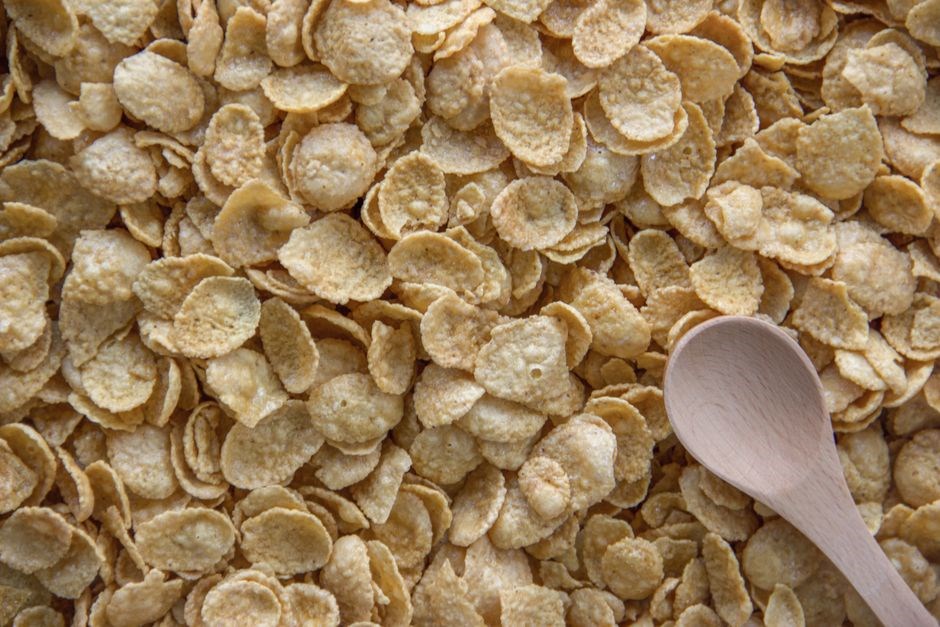
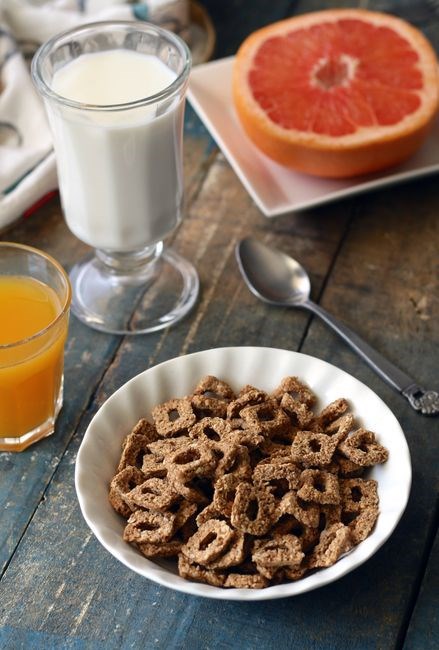
Serve the malt o meal warm, straight from the pot, allowing the comforting aroma to envelop the dining space. A spoonful of fresh herbs, such as chopped parsley or basil, adds a burst of color and a subtle peppery note that brightens the dish. For a touch of crunch, sprinkle toasted nuts—almonds, walnuts, or pine nuts—over the top, creating a delightful contrast between the soft grains and the crisp garnish. A drizzle can elevate the flavor profile, adding a silky smoothly sheen and a bright, tangy lift that cuts through the richness. If you enjoy a creamy element, a dollop of Greek yogurt or a swirl of crème fraîche can be folded in, yielding a velvety texture that balances the hearty grains. Pair the dish with a crisp white wine, such as a Sauvignon Blanc, or a light-bodied red, like Pinot Noir, to complement the earthy undertones. For a vegetarian twist, serve alongside a side of sautéed greens—spinach, kale, or Swiss chard—tossed in garlic and olive oil, adding a verdant, nutrient‑rich accompaniment. Alternatively, a simple side salad of mixed greens, cherry tomatoes, and a lemon‑honey dressing offers a refreshing counterpoint. If you prefer a more substantial meal, accompany the malt o meal with a protein such as grilled chicken, seared tofu, or a poached egg, providing a satisfying protein boost. When plating, arrange the grains in a shallow bowl, then artfully arrange the garnish on top, ensuring each bite offers a harmonious blend of texture, aroma, and flavor. Finally, serve with a warm, crusty bread to soak up any remaining sauce, and enjoy the comforting, wholesome experience that this malt‑rich dish provides.

Storage and Shelf Life
After cooking, allow the malt o meal to cool to room temperature before transferring it to an airtight container. A glass jar or a BPA‑free plastic container with a tight seal keeps moisture out and preserves the dish’s texture and flavor. Store in the refrigerator for up to five days; the grains will stay tender, and the vegetables will retain their bite; For longer preservation, portion the meal into freezer‑safe containers, leaving a small headspace for expansion. Freeze for up to three months; thaw in the refrigerator overnight, then reheat gently on the stovetop or in a microwave, stirring occasionally to restore a cohesive consistency. Avoid refreezing once thawed, as repeated cycles can degrade the grains’ structure and introduce off‑flavors. When reheating, add a splash of broth or water to prevent drying. To maintain freshness, keep the dish away from strong‑smelling foods in the fridge, as grains can absorb odors. If you notice any off‑scent, discoloration, or mold, discard immediately. For a quick snack, reheat a single portion in a microwave‑safe bowl, covering it with a damp paper towel to retain moisture. The dish’s robust flavor profile remains intact, making it a convenient option for busy days. Always label containers with the date of preparation to track freshness. By following these storage guidelines, you can enjoy the malt o meal’s wholesome goodness well beyond its initial cooking session, ensuring each spoonful delivers the same comforting experience as the first serving.
When you plan to serve the meal later, consider adding a light garnish such as fresh herbs or a squeeze of citrus to brighten the flavors. This simple touch can revive the dish’s vibrancy and make it feel freshly prepared, even after storage. Remember to check the texture before serving; if the grains seem overly soft, a brief sauté in a hot pan can restore a pleasant bite. Enjoy the convenience of having a ready‑made, nourishing meal on hand, and feel confident that proper storage preserves both taste and nutrition.
For those who prefer a crunchy element, sprinkle toasted seeds or nuts just before serving; this adds texture and a burst of flavor that contrasts the soft grains.
Store in a cool, dark place if you plan to keep it at room temperature for a day or two, but always refrigerate after that to prevent spoilage!