
Clou Guide Gable: A Comprehensive Overview (as of 04/22/2026)
Gable roofs, a classic style, feature two slopes meeting at a ridge, forming triangular gables; guide-clous aid decorative nail placement, while clou de girofle
holds traditional medicinal value.
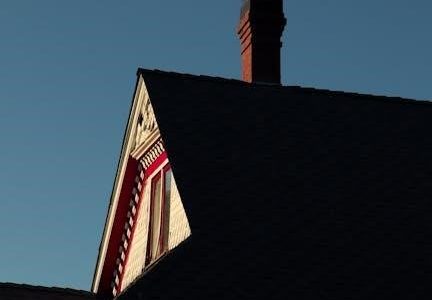
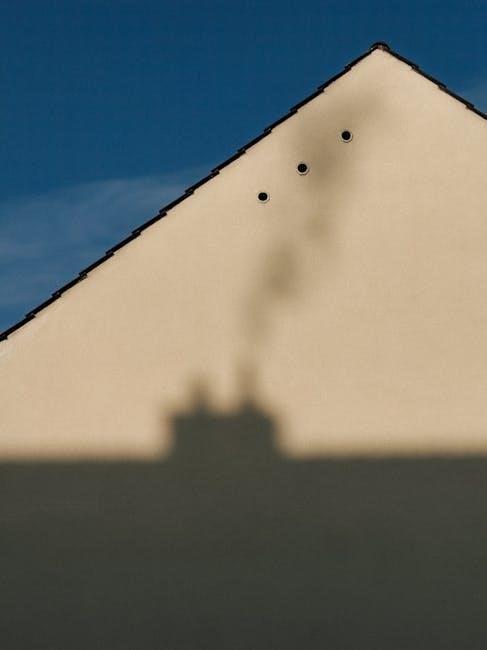
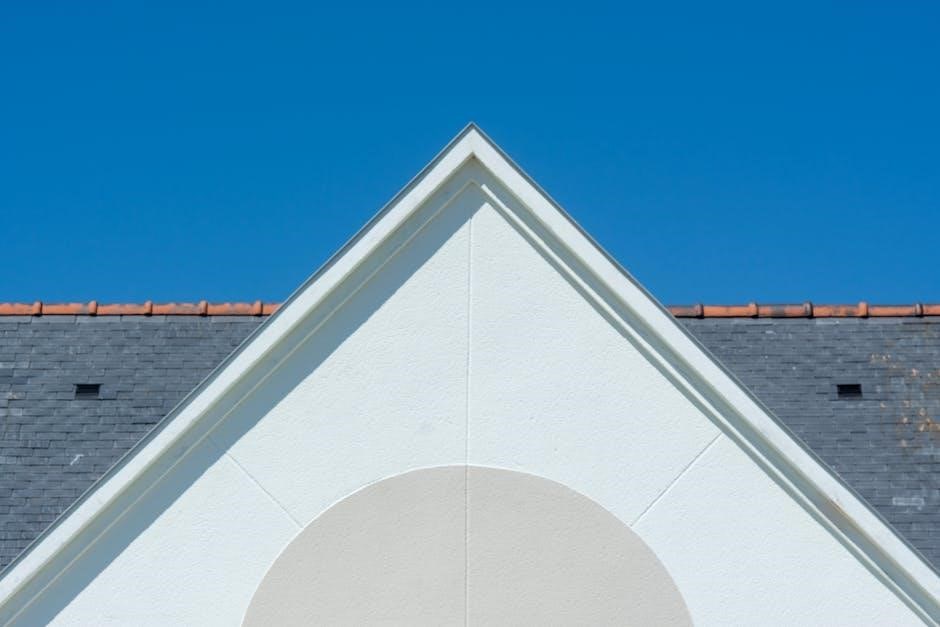
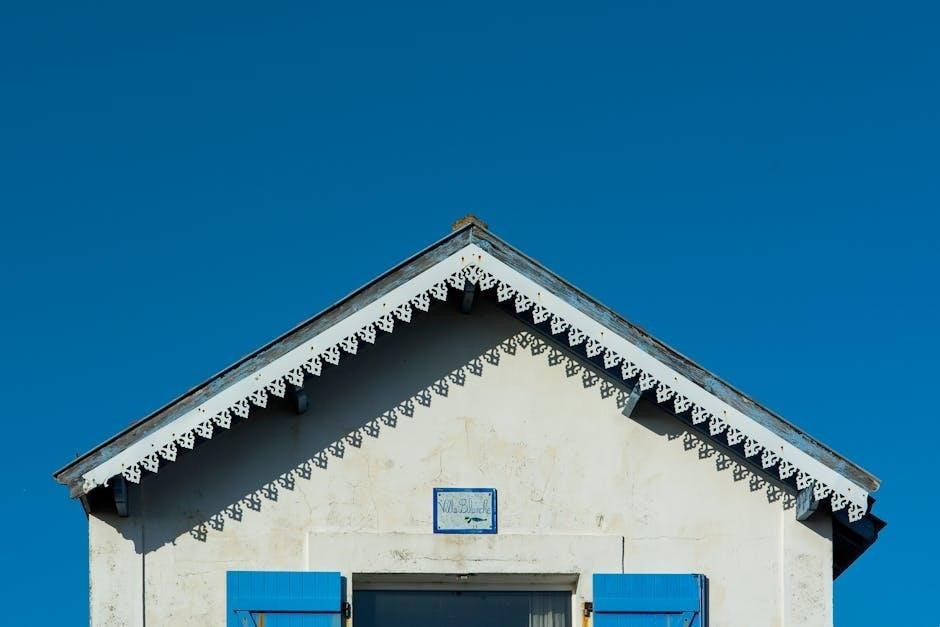
Gable roofs represent a cornerstone of residential architecture, recognized for their simple, yet effective, design. Characterized by two sloping sides meeting at a central ridge, they form distinctive triangular gables at each end – a shape deeply ingrained in cultural symbolism. Beyond aesthetics, their angled structure efficiently sheds water and snow, contributing to a building’s longevity.
Interestingly, the concept extends beyond structural roofing; guide-clous, or nail guide strips, demonstrate precision in decorative applications, aiding in the even placement of nails for upholstery and finishing. Simultaneously, clou de girofle (clove) offers a historical perspective, showcasing traditional medicinal uses alongside modern applications, highlighting a fascinating intersection of construction, craft, and natural remedies.
Defining a Gable Roof: Core Characteristics
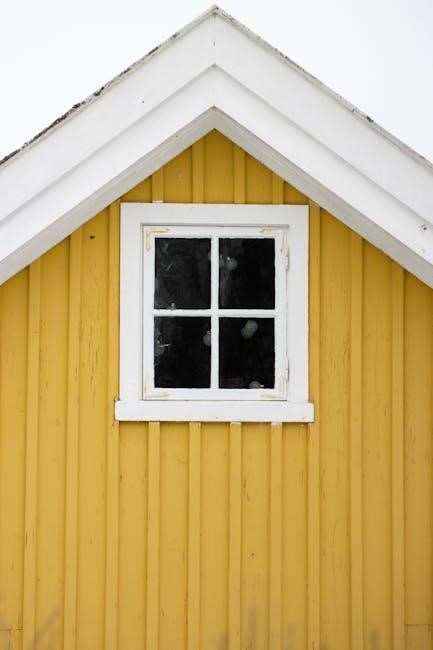
A gable roof is fundamentally defined by its two sloping sides, converging at a ridge to form a triangular gable at each end. This creates a distinct ‘A’ shape, efficiently directing precipitation away from the structure. The pitch of these slopes varies, influencing both aesthetics and functionality.
Considering related concepts, guide-clous exemplify precision – plastic strips ensuring regular nail placement for decorative purposes. Conversely, clou de girofle, or clove, presents a different kind of definition: a potent spice and traditional medicine. These seemingly disparate elements – structural form, crafting detail, and natural remedy – all share a common thread of defined purpose and characteristic application.
Historical Context and Evolution of Gable Roofs
Gable roofs boast a long history, tracing back to ancient Greece and Rome, prized for their simplicity and efficient water shedding. Throughout medieval Europe, they became a dominant feature, evolving with regional architectural styles. Their enduring popularity speaks to inherent structural advantages.
Interestingly, the precision needed in detailing, like that achieved with guide-clous for decorative nailing, reflects a parallel evolution in craftsmanship. Meanwhile, the use of clou de girofle (clove) demonstrates a separate, yet concurrent, historical trajectory – a reliance on natural remedies spanning centuries. These elements, though distinct, illustrate humanity’s ongoing pursuit of both functional building and resourceful living.
Gable Roof Construction: Materials Used
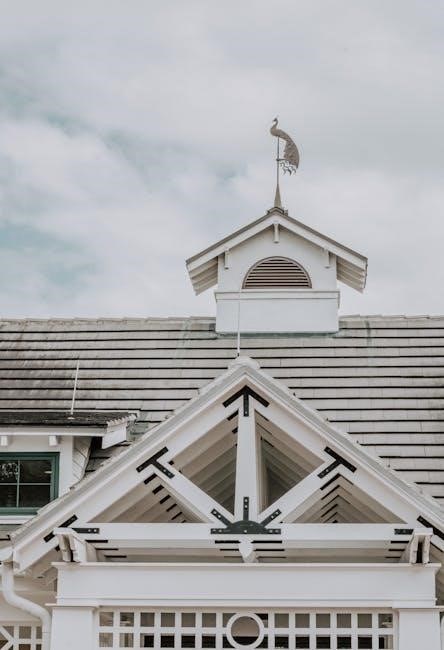
Gable roof construction traditionally utilizes framing lumber – typically wood – for rafters, trusses, and ridge beams. Roofing materials vary widely, from asphalt shingles to metal, tile, or slate. The choice impacts longevity and aesthetic appeal.
Detail work, such as securing decorative elements, benefits from tools like guide-clous, ensuring precise nail placement for a refined finish. Historically, natural materials were paramount; even remedies like clou de girofle (clove) found use in preserving wood or treating related ailments. Modern construction blends these traditions with engineered materials for enhanced performance and durability.
Roofing Materials Compatible with Gable Roofs
Gable roofs accommodate diverse roofing materials, including asphalt shingles – a cost-effective and popular choice – alongside more premium options like metal, tile, and slate. The steep slopes inherent in gable designs efficiently shed water and snow, enhancing the lifespan of these materials.
While selecting roofing, consider aesthetic harmony and regional climate. Historically, natural materials were favored, and even treatments utilizing clou de girofle (clove) were employed for wood preservation. Precise installation, sometimes aided by guide-clous for decorative elements, ensures weather resistance and structural integrity, maximizing the roof’s protective function.
Framing Lumber and Structural Components
Gable roof framing typically utilizes lumber like spruce, pine, and fir, chosen for their strength-to-weight ratio. Key components include rafters forming the sloping sides, a ridge beam connecting the peaks, and ceiling joists providing interior support. Proper lumber grading and treatment are crucial for longevity, historically sometimes enhanced with natural preservatives.
Structural integrity relies on precise connections, often secured with nails – where guide-clous can assist in decorative applications. While not directly structural, attention to detail in finishing, even employing traditional techniques linked to clou de girofle’s uses, contributes to overall quality.
Types of Gable Roofs
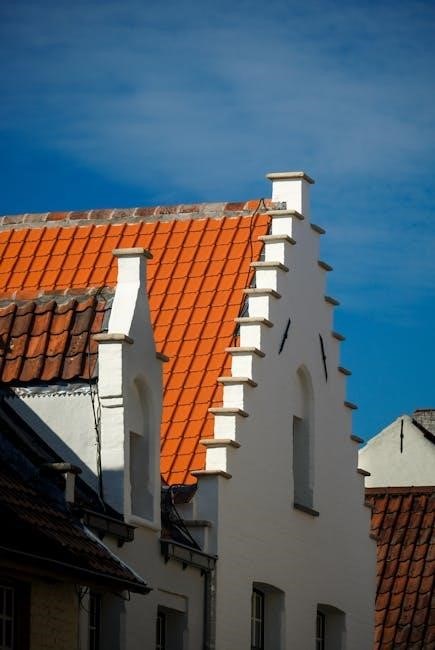
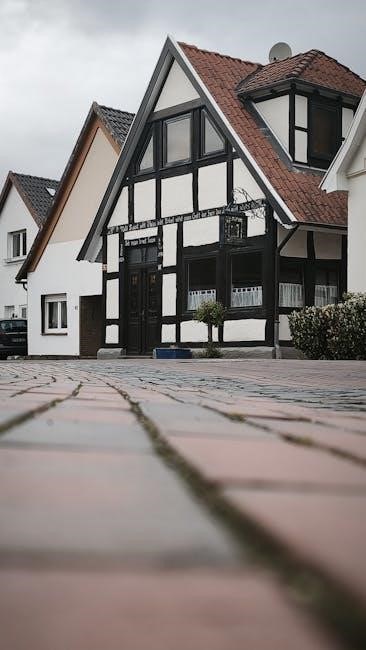
Gable roofs manifest in diverse forms, notably front gable and side gable variations. Front gables, with the gable end facing the street, are common for aesthetic appeal, while side gables present the gable along the house’s length. More complex designs include Dutch gables, featuring a small gable section atop a hipped roof, and gambrel gables, with two slopes on each side.
Regardless of type, precise detailing is key – a task where guide-clous can aid decorative nail work. Historically, even the selection of materials might reflect traditions linked to clou de girofle’s cultural significance, though primarily a functional choice today.
Front Gable vs. Side Gable: Key Differences
Front gable roofs showcase the triangular gable facing the street, often incorporating decorative elements and providing more attic space. They’re visually prominent, lending a classic aesthetic. Side gable roofs, conversely, have the gable ends running parallel to the street, offering a simpler profile and potentially better wind resistance.
The choice impacts curb appeal and structural considerations. Regardless of the gable orientation, achieving neat finishes—like decorative nailing—can benefit from using guide-clous. While seemingly unrelated, historical building practices sometimes intertwined material choices with cultural elements, like the use of clou de girofle in traditional remedies.
Dutch Gable and Gambrel Gable Variations
Dutch gable roofs combine a gable roof with a small hip roof on top, creating extra attic space and a unique aesthetic. Gambrel gable roofs feature two slopes on each side, a steeper lower slope and a shallower upper slope, maximizing usable space under the roof.
Both variations require precise construction, where attention to detail—even in decorative nailing—can be enhanced with guide-clous for consistent placement. Historically, roof construction often coincided with herbal knowledge; the use of clou de girofle in traditional medicine reflects this interconnectedness.
Advantages and Disadvantages of Gable Roofs
Gable roofs offer excellent water and snow runoff due to their sloping sides, providing ample attic space and straightforward construction. However, they can be vulnerable to wind damage, particularly strong gusts impacting the gable ends.
Proper installation, potentially aided by guide-clous for secure fastening of roofing materials, is crucial. Historically, maintaining a home extended to herbal remedies; clou de girofle, with its traditional uses, represents this holistic approach. Careful consideration of climate and regional factors is essential when choosing a gable roof.
Gable Roofs in Different Climates and Regions
Gable roofs demonstrate adaptability across diverse climates; steeper slopes excel in snowy regions, facilitating efficient runoff, while shallower slopes suit drier areas. Regional variations influence material choices – from durable shingles to metal roofing.
Historically, communities utilized local resources, mirroring the traditional applications of clou de girofle in herbal medicine. Precise fastening, potentially aided by guide-clous, ensures structural integrity against regional weather patterns. Understanding local building codes and climate-specific challenges is paramount for long-lasting performance.
Gable Roof Maintenance and Repair
Regular inspection is crucial for gable roof longevity, focusing on shingle condition, flashing integrity, and gutter cleanliness. Addressing issues promptly prevents costly repairs; damaged shingles require replacement, potentially secured with appropriate roofing nails – ensuring precise placement aided by guide-clous for decorative elements.
Like preserving traditional remedies such as clou de girofle, preventative maintenance extends lifespan. Inspect for leaks, wood rot, and pest infestations. Timely repairs, utilizing quality materials and skilled workmanship, safeguard the home’s structural integrity and aesthetic appeal.
Identifying Common Gable Roof Issues
Common gable roof problems include shingle damage from weather, missing or corroded flashing around chimneys and vents, and granule loss leading to exposure. Look for sagging areas indicating structural issues, and check for signs of leaks in the attic – water stains or mold growth.
Proper nail placement, sometimes aided by guide-clous during decorative work, is vital; incorrectly installed nails can contribute to leaks. Remember the careful preparation needed for traditional remedies like clou de girofle – similarly, diligent inspection reveals issues before they escalate, preserving the roof’s integrity.
Preventative Maintenance Strategies
Regular gable roof inspections – at least twice yearly – are crucial. Clear debris from gutters and valleys to ensure proper water flow. Check for damaged or missing shingles and replace them promptly. Inspect flashing for corrosion or gaps, resealing as needed.
Ensure proper nail placement, potentially utilizing guide-clous for decorative elements, to prevent future leaks. Just as careful preparation is key for utilizing clou de girofle traditionally, proactive maintenance extends roof lifespan, preventing costly repairs and maintaining structural integrity. Address minor issues immediately to avoid larger problems.
Gable Roofs and Home Value
A well-maintained gable roof significantly boosts a home’s curb appeal and perceived value. Its classic design is widely appreciated, often seen as a desirable feature by potential buyers. Proper installation, potentially aided by tools ensuring precise nail placement like guide-clous, demonstrates quality craftsmanship.
Conversely, a neglected roof detracts from value. Just as the careful use of clou de girofle signifies attention to detail in traditional practices, a pristine gable roof signals responsible homeownership. Investing in preventative maintenance and timely repairs yields a strong return, enhancing marketability and overall property worth.
Clou De Girofle (Clove) and its Traditional Uses
Clou de girofle, or clove, boasts a rich history of medicinal application. Traditionally, it’s been valued for its antiseptic and analgesic properties, utilized in various remedies. Much like a guide-clous ensures precise placement for structural integrity, clove was carefully incorporated into traditional healing practices.
Its uses span from dental pain relief to digestive aid, reflecting a deep understanding of its bioactive compounds. The careful preparation and consumption of clove, mirroring the precision of a well-constructed gable roof, highlight its cultural significance. Folklore often associates clove with protection and good fortune.
Botanical Description and Family
Clou de girofle, scientifically known as Syzygium aromaticum, belongs to the Myrtaceae family – a family also including eucalyptus and guava. The clove tree is an evergreen, reaching heights of 8-12 meters, native to the Maluku Islands in Indonesia. Its aromatic flower buds are harvested before they bloom, then dried to produce the spice we recognize.
Similar to how a gable roof’s structure relies on precise components, the clove’s botanical characteristics define its unique properties. The tree’s leaves are also aromatic, though the buds hold the most potent flavor. Understanding its family and origin is crucial, much like understanding a guide-clous’ application.
Traditional Medicinal Applications of Clove
Historically, clou de girofle has been a cornerstone of traditional medicine. Its primary component, eugenol, possesses potent antiseptic and analgesic properties. Traditional uses include relieving toothaches – a practice mirroring the precision needed in gable roof construction – and aiding digestion.
Across cultures, cloves have been employed for respiratory ailments and as an anti-inflammatory agent. Like a well-maintained guide-clous ensuring secure nail placement, clove’s medicinal benefits stem from its inherent qualities. While modern medicine offers alternatives, its historical significance remains, much like the enduring appeal of a classic gable design.
The Claude Cloud CLI represents a powerful interface for interacting with advanced AI capabilities, much like a detailed guide simplifies complex gable roof construction. This command-line tool allows developers and AI workers to seamlessly integrate Claude’s features into their workflows.
It offers functionalities ranging from model access to task management, mirroring the precision required when using guide-clous for decorative nail placement. Understanding the CLI is crucial for harnessing Claude’s potential, similar to understanding gable roof types for optimal home design. Its development continues, promising even greater utility.
Features and Capabilities of Claude Cloud CLI
The Claude Cloud CLI boasts diverse capabilities, akin to the multifaceted uses of clou de girofle (clove) in traditional medicine and the structural integrity of a well-built gable roof. Key features include model deployment, prompt engineering, and data processing – streamlining AI integration.
Users can manage API keys, monitor usage, and automate tasks, mirroring the precision offered by guide-clous for nail placement. Comparative analyses reveal its strengths against competitors, while future trends point towards enhanced functionality. This CLI empowers users to unlock Claude’s full potential, much like a comprehensive guide simplifies complex projects.
Great Gable Hiking Guide: Route Overview
Navigating Great Gable demands careful planning, much like constructing a sturdy gable roof requires precise measurements and quality materials. The Moses Trod path, a favored route, presents challenges demanding preparation – akin to the meticulous application of guide-clous for decorative nails.
Hikers should assess their fitness level, considering the difficulty. This journey, like understanding the nuances of clou de girofle’s medicinal properties, requires dedication. A detailed route description ensures safe passage, mirroring the comprehensive nature of a guide for roof construction or CLI usage.
The Moses Trod Path: A Detailed Description
The Moses Trod path ascends Great Gable, demanding focus – similar to the precision needed when applying guide-clous for perfectly aligned nails. This route, favored by hikers, begins with a steady climb, transitioning to steeper sections requiring careful footing, much like ensuring a secure gable roof structure.
Expect rocky terrain and potential stream crossings. Proper gear is essential, mirroring the selection of appropriate roofing materials. Understanding the path’s nuances, like appreciating the traditional uses of clou de girofle, enhances the experience. Navigation skills are key, just as a guide is vital for complex tasks.
Difficulty Level and Preparation for Great Gable Hike
The Great Gable hike via Moses Trod is challenging, demanding good fitness – akin to the physical effort in gable roof construction. Preparation is crucial; sturdy boots, waterproof layers, and a map are essential, mirroring the careful material selection for roofing.
Navigation skills are vital, like precisely placing nails with guide-clous. Understanding weather conditions is paramount, similar to considering climate impacts on roof longevity. Knowledge of first aid, and perhaps even the traditional remedies of clou de girofle, is beneficial. This hike requires respect for the mountain, much like respecting sound building practices.
Guide-Clous (Nail Guide Strips): Application and Benefits
Guide-clous, or nail guide strips, ensure regular and precise nail placement, particularly for decorative applications – a detail mirroring the neat lines of a well-constructed gable roof. These plastic strips simplify upholstery work, ideal for chairs and fauteuils, offering a professional finish.
Their application streamlines the process, reducing errors and saving time, much like efficient framing lumber selection in roofing. The benefit lies in achieving consistent spacing, enhancing aesthetic appeal. Consider this precision akin to the structural integrity demanded by a gable’s design, or even the careful preparation of clou de girofle.
Roofing Nails for Shingles: Types and Formats
Selecting the correct roofing nails is crucial for a secure gable roof, mirroring the precision needed when applying guide-clous for decorative work. Various types exist, including cannelated nails, designed for superior holding power within shingles. Formats differ in length and head size, dictated by shingle thickness and material.
Proper nail selection prevents wind uplift and water penetration, safeguarding the home – a parallel to the protective qualities historically attributed to clou de girofle. Choosing quality nails ensures longevity, much like a well-maintained gable structure, and complements the overall roof system’s integrity.
Folklore, Culture, and Symbolism Associated with Gable Structures
Gable roofs, beyond their practical function, often carry cultural weight, symbolizing home and stability – a foundational element in many societies. Historically, the triangular gable end might have represented mountains or aspirations reaching towards the heavens. Like the enduring traditions surrounding clou de girofle’s medicinal uses, gable roof designs have been passed down through generations.
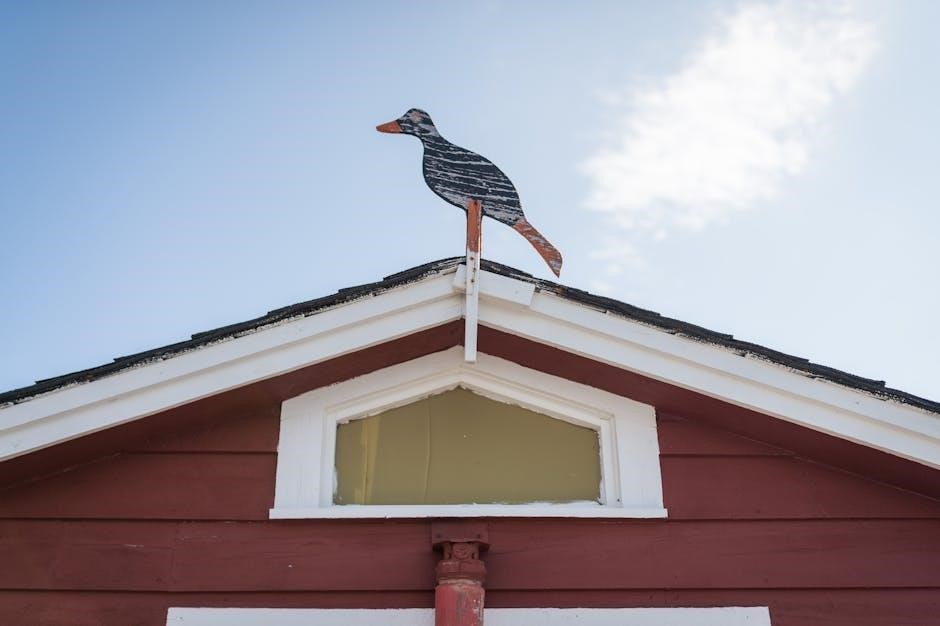
The precise placement of decorative nails, aided by guide-clous, could also hold symbolic meaning, representing craftsmanship and attention to detail. These structures, therefore, aren’t merely architectural features but reflections of cultural values and beliefs.
Future Trends in Gable Roof Design and Technology
Gable roof designs are evolving, integrating smart technology and sustainable materials. Expect to see increased use of lightweight, durable roofing materials, alongside improved insulation techniques for energy efficiency. Precision in installation, potentially aided by advanced guide-clous application systems, will become crucial.
Furthermore, the principles of traditional herbal remedies, like those utilizing clou de girofle, may inspire bio-based roofing solutions. The Claude Cloud CLI could even play a role in designing and optimizing these structures, predicting performance and streamlining construction processes, leading to more resilient and aesthetically pleasing gable roofs.
Comparative Analysis of Gable Roof Construction Tools
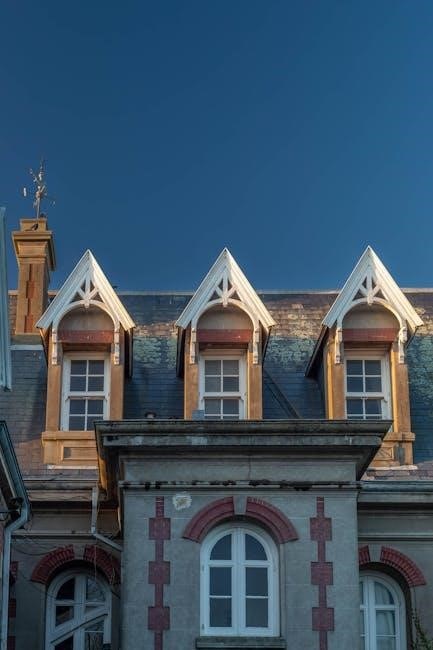
Traditional gable roof construction heavily relies on manual tools, but modern advancements are emerging. Nail guns offer speed, while laser levels ensure precise alignment – crucial when utilizing guide-clous for decorative finishes. Software, potentially accessed via a Claude Cloud CLI, aids in structural calculations and material estimations.
Comparing hand tools to power tools reveals trade-offs between control and efficiency. The application of clou de girofle’s principles – natural, durable solutions – may inspire new, eco-friendly tool materials. Ultimately, the best toolset balances cost, precision, and the specific demands of the gable roof project.