

Cessna 172N Maintenance Manual: An Overview
This manual details servicing, operation, and performance for Cessna aircraft, specifically the 172N model (1978). It covers procedures and applicable serial numbers, spanning 1977-1986.
The Cessna 172N Skyhawk, a cornerstone of general aviation, demands meticulous maintenance for continued safe and reliable operation. This aircraft, particularly models from 1977-1986, benefits from comprehensive documentation outlining procedures for servicing, inspection, and repair. The 1978 Cessna 172N owner’s manual, encompassing 236 illustrated pages, serves as a primary resource.
Understanding the specific maintenance requirements tied to the aircraft’s serial number is crucial – for example, 172N serial numbers beginning with 17261445 and 17267585 through 17069309. Adherence to established schedules, detailed in service and structural repair manuals like Cessna document D2065-2-13 (Revision 2, July 1993), ensures longevity and airworthiness. Proper care, as outlined in these resources, is paramount.

Scope of the Maintenance Manual
The Cessna 172N Maintenance Manual’s scope is extensive, covering all facets of aircraft upkeep. It details procedures for annual, 100-hour, and progressive inspections, alongside detailed guidance on airframe, engine, and flight control system maintenance. Specific attention is given to components like the landing gear – tires, brakes, and struts – ensuring optimal functionality.
Furthermore, the manual addresses the electrical system, including battery maintenance and wiring harness inspection, and avionics, with checks for the transponder and radio, and the pitot-static system. It references documentation like MM 172S (1996 & ON) and Cessna Service Stations as resources for current manuals and catalogs, ensuring comprehensive coverage for all maintenance needs.

Airframe Maintenance
Airframe upkeep involves detailed inspections and repairs of the fuselage, wings, and landing gear, as outlined in the service and structural repair manual.
Inspections – Annual, 100-Hour, and Progressive
Regular inspections are crucial for maintaining airworthiness. The Cessna 172N requires adherence to a strict inspection schedule, encompassing annual, 100-hour, and progressive checks. Annual inspections represent a comprehensive assessment of the entire aircraft, ensuring all components meet airworthiness standards. 100-hour inspections, as the name suggests, are performed every 100 hours of flight time and focus on critical safety items.
Progressive inspections allow for a more distributed workload, breaking down annual inspection tasks into smaller, manageable segments performed throughout the year. These inspections cover the airframe, engine, and various systems, including flight controls and the electrical system. Proper documentation of all inspections is paramount, ensuring a traceable maintenance history and continued safe operation of the Cessna 172N.
Fuselage Inspection and Repair
The Cessna 172N fuselage requires meticulous inspection for structural integrity. This involves a detailed examination for corrosion, cracks, and any signs of damage, particularly around stress points like window frames and control surface attachment areas. Service and structural repair manuals (specifically D2065-2-13, revision July 1993) provide guidance on acceptable damage limits and approved repair techniques.
Repairs must adhere to Cessna’s specified procedures, utilizing appropriate materials and fasteners. Any significant structural repairs necessitate consultation with a qualified aircraft maintenance technician. Proper documentation of all inspections and repairs is essential for maintaining the aircraft’s airworthiness and ensuring continued safe operation of the fuselage structure.
Wing Inspection and Repair
Thorough wing inspections are crucial for the Cessna 172N’s safe operation. Focus areas include the spar, ribs, skin, and control surface hinges, checking for corrosion, cracks, and deformation. Cessna’s service and structural repair manual (D2065-2-13, revised July 1993) details acceptable damage limits and approved repair methods.
Repairs must strictly follow Cessna’s guidelines, employing correct materials and techniques. Damage to the wing spar requires immediate attention from a certified technician. Accurate documentation of all inspections, repairs, and any replaced components is vital for maintaining airworthiness and ensuring the continued structural integrity of the wings.
Landing Gear Maintenance
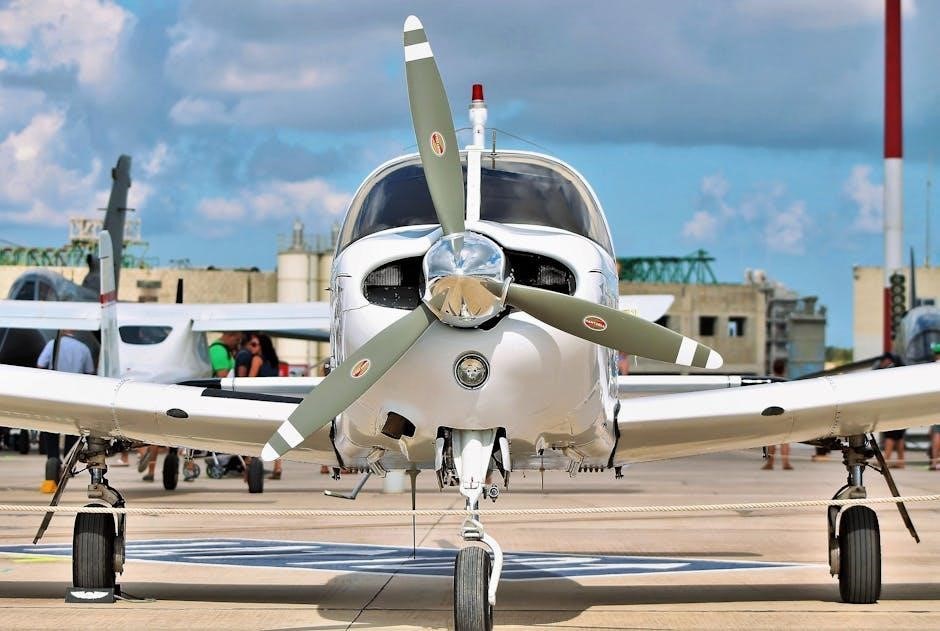
Proper landing gear maintenance is paramount for safe Cessna 172N ground operations. This encompasses regular inspections of the tires, brakes, struts, and associated hardware. Maintenance schedules, as outlined in the aircraft’s documentation, dictate inspection intervals and required actions. Tire pressure and tread depth must be checked before each flight, while brake linings should be inspected for wear.
Strut maintenance involves checking for leaks and proper extension. Any discrepancies require immediate attention from a qualified mechanic. Detailed procedures for landing gear servicing are found within the Cessna maintenance manuals, ensuring adherence to manufacturer specifications and maintaining optimal performance.
Tire and Brake Maintenance
Consistent tire and brake maintenance are crucial for safe landings and taxiing of the Cessna 172N. Tire inspections should verify proper inflation – adhering to the aircraft’s placard specifications – and assess tread depth for wear. Regularly check for cuts, bulges, or any damage that could compromise tire integrity. Brake system maintenance involves inspecting brake linings for sufficient material and checking for fluid leaks.
Brake fluid levels must be maintained within acceptable ranges, and the entire system should be bled periodically to remove air. Thorough inspections, as detailed in the maintenance manual, ensure optimal braking performance and prevent potential failures during critical operations.
Strut Maintenance
Proper maintenance of the Cessna 172N’s landing gear struts is vital for smooth landings and ground handling. Strut inspections should focus on checking for any signs of oil leakage, which indicates a potential seal failure. Regularly examine the struts for dents, corrosion, or other structural damage that could weaken their integrity. Nitrogen pressure within the struts must be verified and adjusted according to the aircraft’s maintenance manual specifications.
Over or under inflation can significantly affect landing characteristics. Detailed procedures for strut servicing, including disassembly and component replacement, are outlined in the official Cessna documentation, ensuring safe and reliable operation.
Engine Maintenance
Routine engine upkeep, including oil and filter changes, and spark plug inspections, are crucial for reliable Cessna 172N operation. Carburetor maintenance is also key.
Engine Oil and Filter Changes
Regular engine oil and filter changes are paramount for maintaining the longevity and optimal performance of the Cessna 172N’s engine. Following the manufacturer’s recommended intervals, detailed within the maintenance manual, is essential.
Typically, oil changes are performed based on flight hours or calendar time, whichever comes first. The specific oil grade and filter type must adhere to Cessna’s specifications to ensure proper lubrication and filtration.
During an oil change, it’s vital to inspect the oil screen for any metallic debris, which could indicate internal engine wear. Proper disposal of used oil and filters is also crucial, adhering to environmental regulations. Maintaining detailed records of all oil changes is highly recommended for tracking engine health and warranty compliance.
Spark Plug Inspection and Replacement
Consistent spark plug inspection and timely replacement are critical for efficient engine combustion and overall performance in the Cessna 172N. The maintenance manual outlines specific inspection intervals, typically based on flight hours, to assess plug condition.
Inspection involves checking for electrode wear, fouling, and proper gap settings. Signs of oil or fuel contamination, cracked insulators, or excessive carbon buildup necessitate replacement. Using the correct spark plug type, as specified by Cessna, is non-negotiable.
Proper torqueing of spark plugs is essential to prevent damage to the cylinder head. Maintaining accurate records of spark plug replacements aids in monitoring engine health and identifying potential issues. Regular attention to spark plugs contributes significantly to engine reliability and fuel efficiency.
Carburetor Maintenance
The Cessna 172N’s carburetor requires periodic maintenance to ensure optimal fuel-air mixture delivery and prevent engine malfunctions. The maintenance manual details procedures for inspection, cleaning, and overhaul, crucial for consistent engine performance.
Regular inspections focus on checking for fuel leaks, proper float level, and unobstructed air passages. Carburetor cleaning removes varnish and deposits that can restrict fuel flow and affect mixture control. Overhaul involves a complete disassembly, inspection of all components, and replacement of worn parts.
Adhering to recommended maintenance schedules minimizes the risk of carburetor-related issues, such as rough idling or engine hesitation. Proper carburetor maintenance contributes to fuel efficiency, smooth operation, and overall engine reliability.
Flight Control System Maintenance
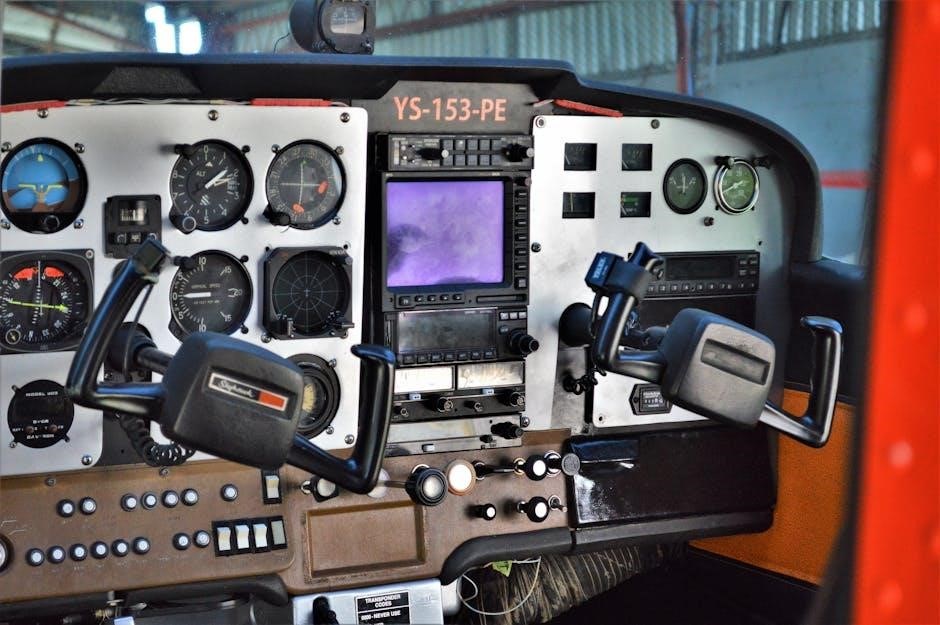
Maintenance focuses on inspecting and adjusting control cables, plus checking ailerons, elevators, and rudders for proper function and freedom of movement.
Control Cable Inspection and Adjustment
Regular inspection of control cables is paramount for flight safety. This involves a thorough visual check for fraying, kinking, corrosion, or any signs of damage along the entire cable run. Pay close attention to areas where cables pass through pulleys or make sharp bends, as these are common wear points.
Proper tension is crucial; cables should neither be too tight nor too loose. Excessive tightness can cause premature wear on pulleys and control surfaces, while looseness results in imprecise control response. Adjustment procedures typically involve turnbuckles or cable tensioners, ensuring smooth and consistent movement throughout the full range of control surface deflection. Lubrication of pulleys and cable routing points is also essential to minimize friction and wear, contributing to a reliable flight control system.
Aileron, Elevator, and Rudder Inspection
Comprehensive inspection of flight control surfaces – ailerons, elevator, and rudder – is vital for maintaining aircraft control. Examine these surfaces for any structural damage, including cracks, dents, or delamination, particularly around hinge points and leading/trailing edges. Check for proper range of motion and freedom from binding.
Inspect control horns and connecting linkages for wear, looseness, or corrosion. Ensure all fasteners are secure and properly torqued. Fabric-covered surfaces require careful inspection for tears, wrinkles, or deterioration of the fabric and underlying structure. Pay attention to balance weights, verifying they are securely attached and in the correct position. Any discrepancies must be addressed before flight to guarantee responsive and predictable aircraft handling characteristics.
Electrical System Maintenance
Maintenance focuses on battery condition, wiring harness integrity, and proper function of all electrical components. Regular checks ensure reliable power for avionics and systems.
Battery Maintenance and Inspection
Regular battery maintenance is crucial for reliable aircraft operation. Inspections should verify proper electrolyte levels, if applicable, and terminal cleanliness, ensuring secure connections. Corrosion must be promptly removed to prevent voltage drops and system malfunctions.
Check for any physical damage to the battery case, such as cracks or bulges, which could indicate internal failure. Voltage and specific gravity tests (for lead-acid batteries) are essential to assess battery health and charging efficiency. Follow the manufacturer’s recommendations for charging procedures and maintenance schedules.
Proper battery maintenance extends its lifespan and ensures consistent power delivery to the aircraft’s electrical systems, contributing to overall flight safety and operational reliability. Document all inspections and maintenance activities in the aircraft’s maintenance records.
Wiring Harness Inspection
Thorough inspection of the wiring harness is vital for preventing electrical failures. Examine all wiring for signs of chafing, wear, or damage, paying close attention to areas near moving parts or flight controls. Look for loose connections, corroded terminals, and improperly routed wires. Ensure all wiring is adequately supported and secured to prevent stress and vibration.
Check for proper insulation and shielding to prevent short circuits and interference. Inspect connectors for damage or corrosion, and verify that they are securely fastened. Any damaged wiring must be repaired or replaced according to approved procedures and standards.

Document all inspection findings and corrective actions in the aircraft’s maintenance records. Regular wiring harness inspections contribute significantly to the overall reliability and safety of the electrical system.
Avionics Maintenance
Regular checks of the transponder and radio systems are essential. Pitot-static system inspections ensure accurate altitude and airspeed indications for safe flight operations.
Transponder and Radio Checks
Routine transponder and radio checks are paramount for maintaining reliable communication and ensuring proper identification with Air Traffic Control (ATC). These checks should be performed during pre-flight inspections and periodically throughout the year, adhering to manufacturer recommendations and regulatory requirements.
Verify the transponder’s ability to respond to interrogation signals, confirming both Mode A and Mode C functionality. Ensure the radio systems – including COM1 and COM2 – transmit and receive clearly across all designated frequencies. Pay close attention to audio quality and signal strength.
Inspect antenna connections for corrosion or damage, as these can significantly degrade performance. Document all checks and any discrepancies found in the aircraft’s maintenance logbook. Properly functioning avionics are critical for safe and efficient flight operations, and diligent maintenance is non-negotiable.
Pitot-Static System Inspection
A thorough inspection of the pitot-static system is crucial for accurate airspeed, altitude, and vertical speed indications. This system directly impacts flight safety, demanding meticulous attention to detail during maintenance checks. Regularly inspect all lines for kinks, cracks, or leaks, paying particular attention to connections and areas prone to wear.
Verify the proper functioning of the pitot tube, static port, and associated drain holes; Ensure these openings are clear of obstructions like ice, dirt, or insect nests. Test the system for leaks using appropriate testing equipment, confirming airtight seals throughout.
Document all findings in the aircraft’s maintenance logbook, noting any repairs or replacements made. A compromised pitot-static system can lead to erroneous instrument readings, potentially resulting in dangerous flight conditions, so consistent maintenance is vital.