

Landis+Gyr G470 User Manual: A Comprehensive Guide
This manual details the Landis+Gyr G470, offering a complete guide to its features, operation, and integration with modern energy management systems.
The Landis+Gyr G470 is a state-of-the-art energy meter designed for advanced metering infrastructure (AMI) deployments. This manual serves as a comprehensive resource for understanding and utilizing the G470’s capabilities. It’s compatible with major brands and offers robust functionality for accurate energy measurement and data communication.
This guide provides detailed instructions for installation, operation, and troubleshooting. Whether you are a utility professional or a technician, this manual will empower you to effectively manage and maintain the G470, maximizing its performance and ensuring reliable energy data.
Key Features and Benefits
The Landis+Gyr G470 boasts a wealth of features, including high accuracy, remote firmware updates, and support for DLMS/COSEM communication protocols. Key benefits include enhanced revenue protection, reduced operational costs through remote reading, and improved grid management capabilities.
Its advanced load profiling and event logging provide valuable insights into energy consumption patterns. The G470’s robust security features ensure data integrity and prevent unauthorized access. This meter delivers a powerful and reliable solution for modern energy networks, offering significant advantages to utilities and consumers alike.
Package Contents & Initial Inspection
Upon receiving your Landis+Gyr G470, carefully inspect the package for any signs of damage during transit. The standard package includes the G470 meter itself, this user manual, and mounting hardware. Verify all components are present and undamaged.
Retain the original packaging for potential future returns or servicing. Immediately report any discrepancies or damage to your supplier. Do not install a damaged meter. A visual inspection should confirm the meter’s physical integrity before proceeding with installation.
Safety Precautions
Prior to installing or servicing the Landis+Gyr G470, carefully review these safety guidelines. Incorrect installation or operation can pose hazards. Electrical Safety Warnings: Disconnect power before wiring. Only qualified personnel should handle electrical connections.
General Safety Guidelines: Wear appropriate personal protective equipment (PPE). Avoid operating in wet conditions. Ensure proper grounding. Follow all local and national electrical codes. Failure to adhere to these precautions could result in injury or equipment damage.
General Safety Guidelines
Always prioritize safety when working with the Landis+Gyr G470. Wear appropriate personal protective equipment (PPE), including safety glasses and gloves. Ensure a clean and well-lit working environment. Avoid operating the meter in wet or hazardous locations.
Proper handling and storage are crucial. Do not drop or impact the device. Follow all local and national safety regulations. Regularly inspect the meter for any signs of damage. Report any concerns immediately to qualified personnel.
Electrical Safety Warnings
Danger! High voltage is present within the Landis+Gyr G470. Only qualified personnel should perform installation, maintenance, or repair. Always disconnect power before opening the meter or working with any electrical connections.

Never attempt to bypass or tamper with safety features. Ensure proper grounding to prevent electrical shock. Use insulated tools and follow lock-out/tag-out procedures. Failure to adhere to these warnings could result in severe injury or death.
G470 Hardware Overview

The Landis+Gyr G470 is a robust, advanced metering solution. Its design incorporates a durable enclosure protecting internal components. The meter features a clear, high-contrast display for easy data visibility.
Key hardware elements include the front panel with its user interface, and the rear panel hosting various connection ports. These ports facilitate communication and power input. Understanding these components is crucial for proper installation and operation of the G470.
Front Panel Components
The G470’s front panel is designed for intuitive interaction. It prominently features a multi-line display, showcasing real-time energy consumption data and meter status. Below the display are navigation buttons – typically ‘Menu’, ‘Enter’, and directional arrows – enabling users to access various settings and readings.
An optional keypad may also be present for direct data input. LED indicators signal communication status and power supply. These components provide a user-friendly interface for local meter operation and monitoring.
Rear Panel Connections
The rear panel houses essential connections for the G470’s operation. This includes terminals for voltage and current input from the power supply, ensuring accurate energy measurement. Communication ports, such as optical and potentially RS-485, facilitate data transfer to external systems.
A grounding screw provides electrical safety. Depending on the model, there might be connections for auxiliary power or remote control. Proper connection of these components is crucial for reliable performance and data integrity.
Display and Indicators

The G470 features a clear, backlit LCD display presenting crucial metering data. This includes instantaneous values like voltage, current, and power, alongside accumulated energy consumption (kWh, kVAh). LED indicators signal various operational states, such as power presence, communication activity, and potential fault conditions.
These indicators provide quick visual cues regarding the meter’s status. The display’s interface is navigable using front panel buttons, allowing users to scroll through different data screens and access configuration settings.
Installation Guide
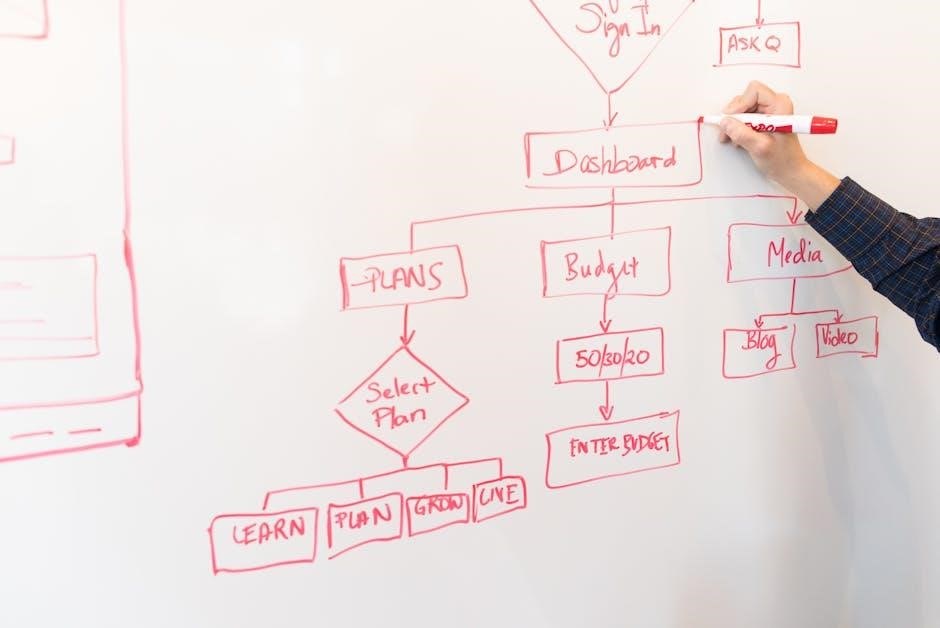
Proper installation is crucial for accurate metering and reliable operation of the G470. This section details mounting procedures, ensuring secure placement within the designated enclosure. Wiring diagrams illustrate correct connection of voltage and current circuits, adhering to local electrical codes.
Communication setup, including DLMS/COSEM configuration, is also covered. Always de-energize the circuit before commencing any wiring work. Verify all connections before restoring power to ensure safe and accurate operation.
Mounting Instructions
Securely mount the G470 to a vertical surface using the provided mounting hardware. Ensure the mounting location is free from excessive vibration, dust, and direct sunlight. Maintain adequate clearance around the meter for ventilation and wiring access.
Verify the surface is capable of supporting the meter’s weight. Use a level to ensure proper alignment. Tighten screws firmly, but avoid over-tightening to prevent damage. Follow all local electrical codes and safety regulations during installation.
Wiring Diagrams
Refer to the detailed wiring diagrams included in this manual and on the meter’s internal label for correct connections. Ensure power is disconnected before commencing any wiring work. Properly identify the line (L), neutral (N), and ground (G) terminals.
Use appropriately sized wiring for the current load. Securely connect all wires to the designated terminals, avoiding loose connections. Double-check all wiring before restoring power. Incorrect wiring can damage the meter and pose a safety hazard.
Communication Setup (e.g., DLMS/COSEM)
The G470 supports DLMS/COSEM for advanced metering infrastructure (AMI) integration. Configure communication parameters – including address, security keys, and data transmission schedules – using compatible software. Ensure correct port settings and protocol versions are selected.
Verify successful communication by performing a read request. Troubleshoot connection issues by checking wiring, security settings, and software compatibility. Refer to the DLMS/COSEM profile for specific data object mapping and configuration details.
Basic Operation
Powering on the G470 is typically automatic upon connection to the power source. Navigate the user interface using the front panel buttons to access meter readings and settings. Reading meter data – such as kWh, kVAh, and voltage – is straightforward via the display.
Familiarize yourself with the menu structure for efficient operation. Regularly check the display for any error messages or alerts. Understand the function of each button for seamless interaction with the meter.
Powering On/Off
The Landis+Gyr G470 generally powers on automatically when connected to a stable power supply. No manual power-on switch is typically required for standard operation. To power off, disconnect the meter from the main power source, ensuring safety precautions are followed.
Avoid frequent power cycling, as it may affect data logging. Confirm the meter is fully disconnected before any maintenance. Refer to the safety section for proper disconnection procedures.
Navigating the User Interface
The G470’s interface is accessed via its front panel display and buttons. Use the ‘Menu’ button to cycle through primary options like meter readings, event logs, and configuration settings. Employ the ‘Enter’ button to select highlighted options. ‘Up’ and ‘Down’ arrows navigate lists and adjust values.
Interface responsiveness may vary. Consult the display section for indicator meanings. Familiarize yourself with the menu structure for efficient operation. Detailed explanations of each menu item are provided later.
Reading Meter Data (kWh, kVAh, etc.)
Accessing meter data is straightforward through the main menu. Navigate to the ‘Readings’ section using the arrow buttons and ‘Enter’ to confirm. The display will show cumulative kWh (kilowatt-hours) consumption, alongside kVAh (kilovolt-amperes-hours) for reactive power.
Additional data points, like voltage and current, may also be available. Ensure correct tariff settings for accurate billing. Regularly monitor these values to track energy usage and identify potential anomalies.
Advanced Features
The G470 boasts several advanced capabilities beyond basic metering. Load profile recording captures energy consumption patterns over time, aiding in demand-side management. Event logging meticulously tracks power outages, voltage dips, and other significant occurrences for detailed analysis.
Furthermore, the meter supports remote firmware updates, ensuring it remains current with the latest features and security patches. These features empower utilities and consumers with deeper insights into energy usage and grid performance.
Load Profile Recording
The G470’s load profile recording feature meticulously captures energy consumption data at user-defined intervals. This functionality allows for detailed analysis of energy usage patterns, identifying peak demand periods and potential energy-saving opportunities. Profiles can be configured to record various parameters, including kWh, kVAh, and power factor.
Data is stored within the meter and can be retrieved remotely, providing valuable insights for demand response programs and grid optimization. Effective utilization of this feature enhances energy management strategies.
Event Logging and Analysis
The G470 diligently logs significant events, such as power outages, tampering attempts, and communication disruptions, creating a detailed audit trail. This comprehensive event log facilitates swift troubleshooting and enhances system security. Users can analyze these events to identify recurring issues and proactively address potential problems.
Detailed timestamps accompany each entry, providing precise timing information. Remote access to the event log enables efficient diagnostics and minimizes downtime, improving overall grid reliability and operational efficiency.
Remote Firmware Updates
The Landis+Gyr G470 supports secure, over-the-air firmware updates, minimizing on-site visits and reducing operational costs. This feature ensures the meter always operates with the latest enhancements and security patches. Updates are digitally signed to prevent unauthorized modifications, safeguarding system integrity.

The process is designed for minimal disruption, often completed during off-peak hours. Successful updates are automatically logged, providing a clear audit trail. Remote management capabilities streamline the update process for large deployments.
Communication Protocols Supported
The Landis+Gyr G470 offers versatile communication options for seamless data integration. Key protocols include DLMS/COSEM, enabling standardized meter data exchange. IEC 62056-21 support facilitates historical data retrieval and configuration. Additional options may encompass cellular, RF mesh, or PLC, depending on the model.
These protocols ensure interoperability with various head-end systems and AMI platforms. Secure communication is prioritized, employing encryption and authentication mechanisms. Configuration flexibility allows tailoring the communication setup to specific network requirements.
DLMS/COSEM Configuration
DLMS/COSEM configuration on the Landis+Gyr G470 involves setting up client-server communication. Access rights define data visibility and control. Logical Device Address (LD) and security keys are crucial for authentication. Profile objects determine data recording intervals and values.
Configuration tools allow customizing data structures and communication parameters. Conformance levels ensure interoperability with DLMS/COSEM compliant systems. Regular security audits are recommended to maintain data integrity and prevent unauthorized access.
IEC 62056-21 Configuration
IEC 62056-21 configuration on the Landis+Gyr G470 enables data exchange via serial communication. Optical or electrical interfaces are utilized for connection. Data formats must align with the standard for successful transfer. Security provisions, like password protection, safeguard data integrity;
Configuration parameters include baud rate, parity, and data bits. Command sets allow for reading meter data and controlling device functions. Regular testing verifies communication reliability and data accuracy. Proper setup ensures seamless integration with data collection systems.
Troubleshooting Common Issues
Common issues with the Landis+Gyr G470 include communication errors, often due to incorrect settings or cabling. Display problems may stem from power fluctuations or internal failures. Data accuracy concerns require verifying configuration and checking for interference.
Troubleshooting steps involve checking connections, verifying settings, and restarting the device. Referencing error codes in the manual aids diagnosis. Contacting support is recommended for complex issues. Regular maintenance can prevent many problems, ensuring reliable performance.
Communication Errors
Communication errors with the Landis+Gyr G470 often indicate issues with the physical connection, data protocol settings, or network configuration. Check cabling for damage and secure connections. Verify DLMS/COSEM or IEC 62056-21 parameters are correctly configured.
Ensure compatibility with the AMI system. Restarting the meter and communication interface can resolve temporary glitches. Consult the manual for specific error code definitions and troubleshooting steps. Contact support if problems persist, providing detailed error information.
Display Problems
Display issues on the Landis+Gyr G470 can range from dim screens to complete failures. Check power supply to ensure adequate voltage. Inspect the LCD for physical damage. Attempt a reset of the meter; this often resolves temporary glitches.
Refer to the manual for specific troubleshooting steps related to display errors. Contact technical support if the display remains unresponsive or shows distorted images, providing the model number and a detailed description of the problem.

Data Accuracy Concerns
Addressing data accuracy with the Landis+Gyr G470 requires systematic checks. Verify wiring connections, ensuring correct polarity and secure terminations. Calibrate the meter following the procedures outlined in the manual, using certified testing equipment.
Compare readings with a known accurate source. Investigate potential interference from external sources. Contact support if discrepancies persist, providing detailed logs and meter configuration information for thorough analysis and resolution.
Maintenance and Cleaning
Regular maintenance ensures optimal Landis+Gyr G470 performance. Inspect the enclosure for damage and ensure seals remain intact. Clean the exterior with a soft, damp cloth – avoid harsh chemicals or abrasive cleaners.
Check terminal connections periodically for tightness. Verify ventilation openings are unobstructed. Do not attempt internal repairs; contact qualified personnel. Routine checks contribute to long-term reliability and accurate data collection.
Technical Specifications
The Landis+Gyr G470 boasts a wide operating temperature range (-40°C to +70°C). Voltage range is 100-240V AC, 50/60Hz. Accuracy class is 0.5 for kWh, and 1 for kVAh. Communication interfaces include DLMS/COSEM and IEC 62056-21.
Data storage capacity exceeds 1000 load profiles. Enclosure rating is IP54, offering dust and splash protection. Dimensions are 200mm x 150mm x 70mm. Weight is approximately 1.5kg.

Warranty Information
Landis+Gyr provides a 24-month warranty from the date of purchase on the G470 meter, covering defects in materials and workmanship. This warranty excludes damage resulting from misuse, improper installation, or unauthorized modifications.
To claim warranty service, contact Landis+Gyr support with proof of purchase. Shipping costs for returning the unit are the responsibility of the customer. Warranty is void if the meter is tampered with. See full terms and conditions online.
Contact Information & Support Resources
For technical support, visit the Landis+Gyr website at www.landisgyr.com/support. You can also reach our dedicated support team via phone at 1-800-545-5795, Monday-Friday, 8 AM to 5 PM EST.
Access our extensive knowledge base, FAQs, and downloadable resources online. Email support is available at support@landisgyr.com. Regional contact details for local offices can be found on our website. We are committed to providing excellent customer assistance.
Regulatory Compliance
The Landis+Gyr G470 is designed and manufactured to comply with relevant international and regional standards. This includes IEC 62052-11 for accuracy, IEC 61000-6-2 for electromagnetic compatibility (EMC), and REACH/RoHS directives for environmental compliance.
It also meets specific regulatory requirements based on the region of deployment, such as ANSI C12.19 in North America. Detailed compliance documentation and certifications are available upon request from Landis+Gyr’s regulatory affairs department.
Understanding Meter Registers
The G470 utilizes multiple registers to record energy consumption data. Key registers include kWh (kilowatt-hours) for active energy, kVAh (kilovolt-amperes-hours) for reactive energy, and maximum demand registers. These registers can be configured to support various tariff structures and load profiles.
Understanding register values is crucial for accurate billing and energy analysis. The manual details how to access and interpret each register, including reset procedures and data scaling factors. Proper register management ensures data integrity.
Tariff and Load Profile Configuration
The G470 supports flexible tariff configurations, allowing utilities to implement time-of-use pricing and tiered rates. Load profile recording captures energy consumption data over defined intervals, providing valuable insights into customer demand patterns. Configuration options include setting tariff rates, defining load profile intervals, and assigning registers to specific tariffs.
This section details how to program these settings using the meter’s interface or communication protocols. Proper configuration ensures accurate billing and effective demand-side management.
Security Features and Access Control
The Landis+Gyr G470 incorporates robust security features to protect against unauthorized access and data manipulation. Access control is managed through user roles and password protection, limiting access to sensitive settings and data. Encryption protocols safeguard communication between the meter and external systems.
This section outlines how to configure user accounts, set password policies, and enable encryption. Secure operation is crucial for maintaining data integrity and preventing fraud.
Data Export and Reporting
The Landis+Gyr G470 facilitates seamless data export for comprehensive energy analysis and reporting. Supported formats include CSV, XML, and other industry-standard protocols, enabling integration with billing systems and data analytics platforms. Reporting capabilities allow users to generate customized reports on consumption patterns, load profiles, and key performance indicators.
This section details how to configure data export settings, schedule automated reports, and interpret the generated data for informed decision-making.
Integration with AMI Systems
The Landis+Gyr G470 is designed for robust integration with Advanced Metering Infrastructure (AMI) systems. Compatibility with DLMS/COSEM and other communication protocols ensures seamless data exchange and remote management capabilities. This integration enables utilities to enhance grid visibility, improve outage detection, and implement demand response programs.
This section outlines the configuration steps for connecting the G470 to your AMI network, including security settings and data mapping procedures.
Frequently Asked Questions (FAQ)

Q: How do I reset the G470 meter? A: Reset procedures vary; consult the troubleshooting section or contact support. Q: What communication protocols are supported? A: DLMS/COSEM and IEC 62056-21 are primary protocols. Q: How do I interpret the error codes? A: Refer to the event logging section for detailed explanations.
Q: Can I update the firmware myself? A: Remote updates are possible, but follow the instructions carefully. Q: Where can I find additional support? A: See the contact information section for resources.
Glossary of Terms
AMI: Advanced Metering Infrastructure, a system for two-way communication. DLMS/COSEM: A standard communication protocol for meter data exchange. kVAh: Kilovolt-ampere hour, a unit of reactive energy. kWh: Kilowatt-hour, a unit of energy consumption. Load Profile: A record of energy usage over time.
Event Log: A record of significant meter events. Firmware: The software that controls the meter’s operation. Register: A storage location for meter data. Tariff: A set of rates for energy consumption.